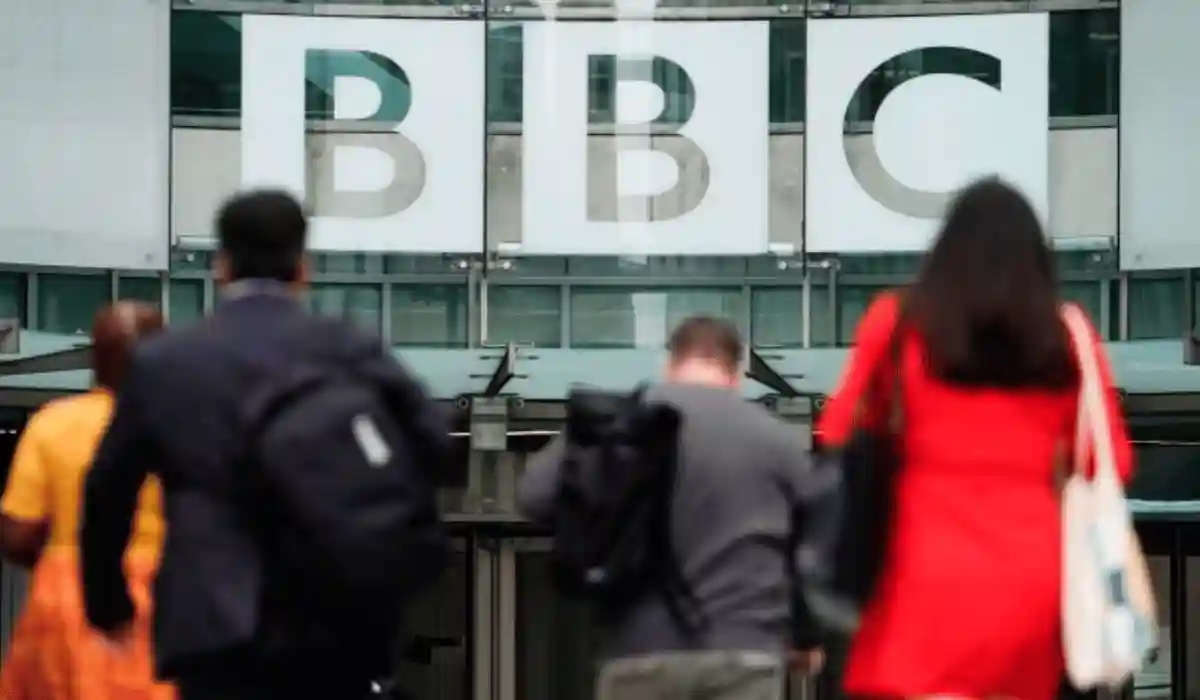
The BBC is all set to produce original shows for YouTube that may later appear on iPlayer or BBC Sounds. As YouTube is one of the most-watched platforms, the BBC plans to reach younger audiences, helping it remain relevant to future viewers.
The news was first reported by the Financial Times and an official announcement is expected as soon as next week.
The BBC YouTube channel has 15.3 million subscribers and 11.9 billion views. It mostly posts trailers and clips from shows.
BBC News has been on YouTube since 2006 and often posts longer videos. That channel has 19 million subscribers and 6.6 billion views.
At the moment, it is unclear how the BBC plans to handle the business side of producing YouTube originals or how it will pay for the content. The company does not run ads in the UK, but the Financial Times reported it may generate revenue from YouTube originals in other countries, which would help add to licence fee income.
Some people inside the BBC are doubtful about the plan. They don’t think the BBC will make money from investing in YouTube content. “Ultimately, they’ve done this because the youth audience is there — not because it will make any money,” said one person who knows about the BBC.
This potential deal follows news earlier this week that YouTube surpassed the BBC in a key audience measurement. For the first time ever, YouTube reached 51.9 million viewers in December, beating the BBC’s 50.8 million viewers, according to UK ratings body Barb.
However, the picture is more complicated than that. Barb’s numbers are just one way to measure reach. By other measures, the BBC is still clearly ahead of YouTube. Still, it’s significant that YouTube has overtaken the BBC on any metric, considering the BBC’s long history of dominance in Britain.
The BBC’s possible partnership with YouTube also happens as UK lawmakers consider taking action to address YouTube’s rapid growth.
In a speech at the Royal Television Society’s Cambridge Convention last September, culture secretary Lisa Nandy said the government is ready to change laws to make sure YouTube prominently features public service content. YouTube responded that this would be “premature” while it’s already discussing partnerships with public service broadcasters.