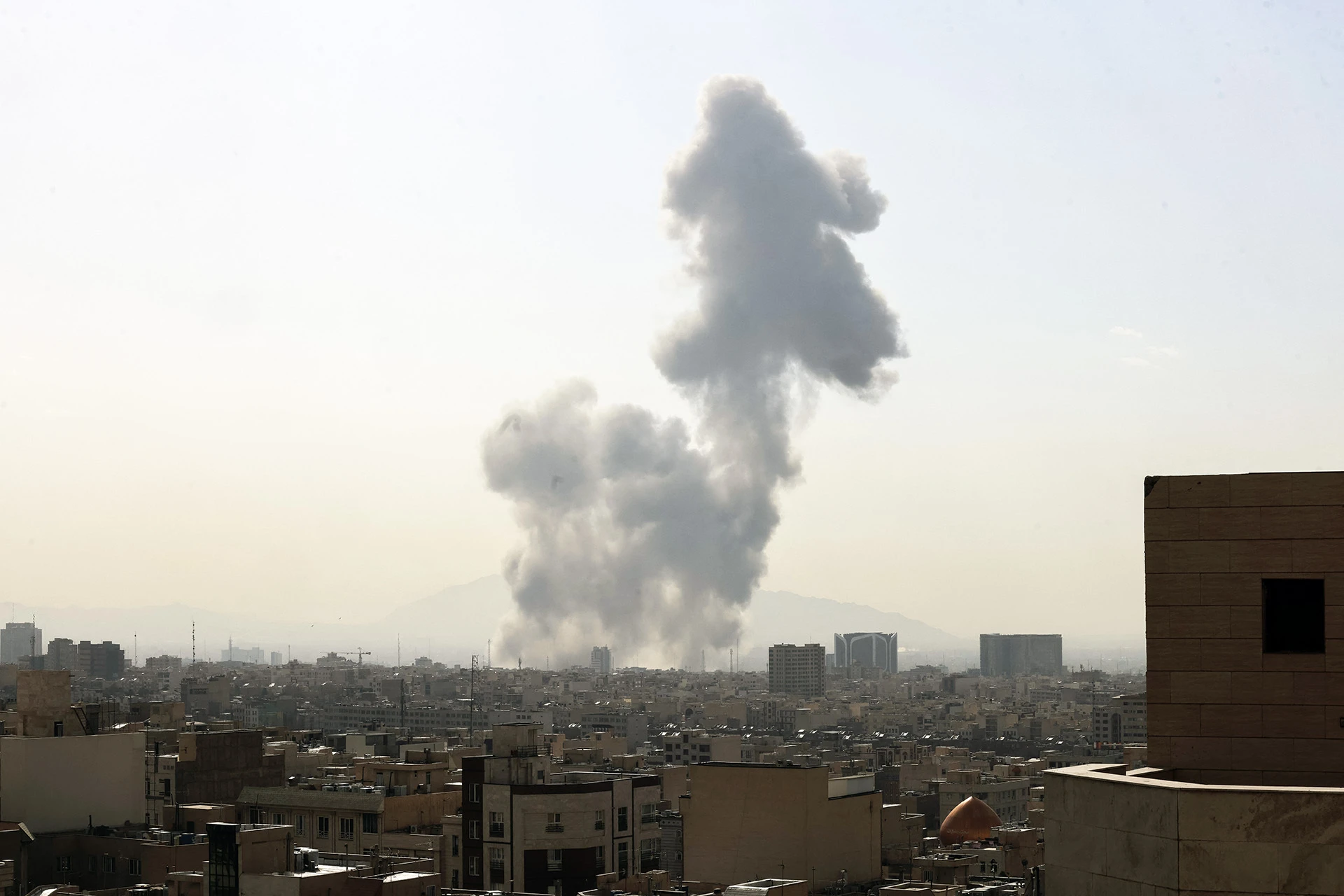
Iran’s powerful military force, the Islamic Revolutionary Guard Corps (IRGC), has claimed that it attacked Israeli Prime Minister Benjamin Netanyahu’s office on Monday, March 2. The IRGC also said it targeted the headquarters of Israel’s air force commander. Israel has not yet responded to these claims.
The IRGC announced the strikes in a statement on Telegram, saying:
“The office of the criminal Israeli PM, Netanyahu and the location of the regime’s Air Force commander were struck in targeted and surprise attacks by Kheybar Shekan ballistic missiles during the 10th wave.”
The attacks are part of Iran’s ongoing retaliation after its Supreme Leader, Ayatollah Ali Khamenei, was killed in a joint strike by the US and Israel. On the same day, Iran also attacked several Gulf countries and claimed to have shot down an American F-15 fighter jet in Kuwait.
How Did We Get Here?
On February 28, the US and Israel bombed Iran in an operation that Israel called “Operation Lion’s Roar” and the US called “Operation Epic Fury.” Both countries described it as a “preemptive” strike. The attack happened in the middle of ongoing nuclear talks between Iran and the US, and eight months after Israel fought a 12-day war against Iran.
Iran responded by firing missiles at Israel and attacking US military bases in Qatar, Kuwait, the UAE, and Bahrain. On March 1, it was officially confirmed that Khamenei had been killed in the strike. As more senior Iranian leaders were killed in follow-up attacks, Iran hit back even harder.
A Region on Fire
Iran declared that it considers all US military bases in the region as “American territory” and fair targets. Gulf nations have warned Iran to stop the attacks. Meanwhile, both the US and Israel have said the bombings will continue for weeks.
Iran’s wider network of allied groups, known as the Axis of Resistance, has also joined the fighting. The international community is reacting strongly — Russia, China, and North Korea have condemned America’s pre-emptive strike, while US allies in Europe have offered their support to America.
Indian Prime Minister Narendra Modi has spoken with several Gulf leaders, including Benjamin Netanyahu, urging all sides to pursue peace. The United Nations has called for an immediate ceasefire. Despite the chaos, both the US and Iran have signalled that they may be open to talks.