Qatar’s state-owned energy company has suspended liquefied natural gas output following drone attacks attributed to Iran, triggering a dramatic surge in European gas prices. The disruption came alongside news that Saudi Arabia had been forced to temporarily shut down operations at its Ras Tanura oil refinery after a fire broke out in the wake of a separate drone strike.
“Due to military attacks on QatarEnergy’s operating facilities in Ras Laffan Industrial City and Mesaieed Industrial City in the State of Qatar, QatarEnergy has ceased production of liquefied natural gas (LNG) and associated products,” the world’s largest LNG producer said in a statement on Monday.
European natural gas prices spiked by nearly 50 percent almost immediately after the announcement.
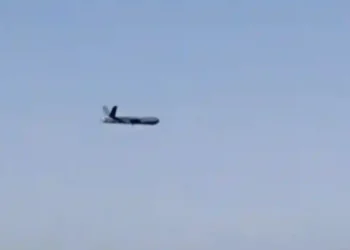
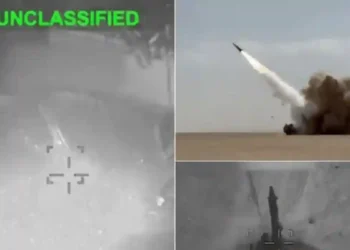
Qatar’s Defence Ministry confirmed the country had been struck by two Iranian-launched drones. “One drone targeted a water tank belonging to a power plant in Mesaieed, and the other targeted an energy facility in Ras Laffan Industrial City, belonging to QatarEnergy, without reporting any human casualties,” it said in a statement, adding that authorities would assess all damages and issue an official follow-up.
QatarEnergy to stop production of LNG
— QatarEnergy (@qatarenergy) March 2, 2026
Due to military attacks on QatarEnergy’s operating facilities in Ras Laffan Industrial City and Mesaieed Industrial City in the State of Qatar, QatarEnergy has ceased production of liquefied natural gas (LNG) and associated products.…
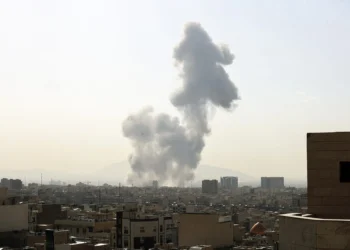
In Saudi Arabia, the Defence Ministry — as reported by the state-run Saudi Press Agency — said two drones had tried to strike the Ras Tanura refinery on Monday morning. A minor fire broke out after the drones were intercepted, causing what officials described as limited damage, with no reported injuries. Footage independently verified by Al Jazeera showed smoke billowing from the coastal facility. As one of the world’s largest oil processing sites, Ras Tanura handles up to 550,000 barrels per day and is widely regarded as a pillar of Saudi Arabia’s energy infrastructure.
The strikes are unfolding against a backdrop of growing maritime tension around the Strait of Hormuz, a critical chokepoint through which roughly one-fifth of the world’s seaborne oil and the majority of Qatari gas passes. Oil tankers have been stacking up on both sides of the strait, and fears of a prolonged conflict have driven a sharp rise in global oil prices, with potentially far-reaching consequences for the world economy.
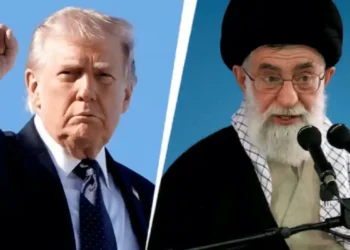
Iran has framed its regional strikes as retaliation for large-scale air attacks carried out by the United States and Israel against Iranian territory. Saudi Arabia, which was itself struck over the weekend, has warned it will take all necessary steps to defend itself — including military retaliation — and has temporarily halted some refinery operations as a precautionary step. Riyadh also stated it does not expect any disruption to domestic petroleum supplies.
The United States, Bahrain, Jordan, Kuwait, Qatar, Saudi Arabia and the United Arab Emirates released a joint statement on Sunday condemning Iranian attacks across the region and asserting their collective right to self-defence.
Rob Geist Pinfold, a lecturer in defence studies at King’s College London, told Al Jazeera that Iran “knows exactly what it’s doing” by targeting Gulf states.
“These countries have less of an appetite for a fight because, at the end of the day, this is not their war. So, Iran is banking that they will want a ceasefire as soon as possible, that they will be pressuring the Trump administration. But we have no signs of that whatsoever so far,” he said.
Pinfold suggested the Gulf states are projecting a unified front, at least publicly. “They’re trying to get the message across that they are one and that they are united and that they are resilient,” he said. “But under the surface, there are profound disagreements here about how to engage with Iran and whether to engage with Iran at all.”