As the conflict in West Asia widened beyond its traditional boundaries, tensions escalated sharply after the Iranian military targeted a British military base in Cyprus. Although Cyprus is geographically situated in the Middle East, it is culturally and politically aligned with Europe and has been a member of the European Union since 2004.
Just hours before the strike on Britain’s Royal Air Force base at Akrotiri, UK Prime Minister Keir Starmer authorised the United States to use British bases specifically RAF Fairford and Diego Garcia to conduct what were described as “limited defensive” strikes aimed at destroying Iranian missiles at their launch sites.
In response to the growing threat, the UK Ministry of Defence elevated force protection measures to the “highest level.” It also confirmed that RAF Typhoon and F-35 fighter jets are actively conducting air patrols to intercept any further hostile activity.
NATO’s Supreme Allied Commander Europe, US General Alexus Grynkewich, said the alliance is “closely following developments” and is “adjusting NATO’s strong force posture” to safeguard all 32 member states.
At the same time, European Commission President Ursula von der Leyen expressed strong support for EU member states after an Iranian drone strike targeted a British installation in Cyprus.
“While the Republic of Cyprus was not the target, let me be clear: we stand collectively, firmly and unequivocally with our Member States in the face of any threat,” she stated on Monday.
The situation further intensified following an Iranian drone attack on Zayed Port in Abu Dhabi, home to the French naval facility Camp de la Paix. French Foreign Minister Jean-Noel Barrot declared that France is “ready” to contribute to the defence of Gulf nations including Saudi Arabia, the UAE, Qatar as well as Jordan, in the event of further Iranian strikes.
The evolving positions of European governments suggest the conflict may increasingly spill into Europe, potentially drawing NATO members more directly into the confrontation.
However, internal debate continues within NATO. Under Article 6 of the alliance’s charter, collective defence obligations apply to attacks occurring in Europe, North America, or Turkey. Because the Sovereign Base Areas in Cyprus are geographically located in the Middle East, legal and strategic ambiguities remain regarding NATO’s formal response.
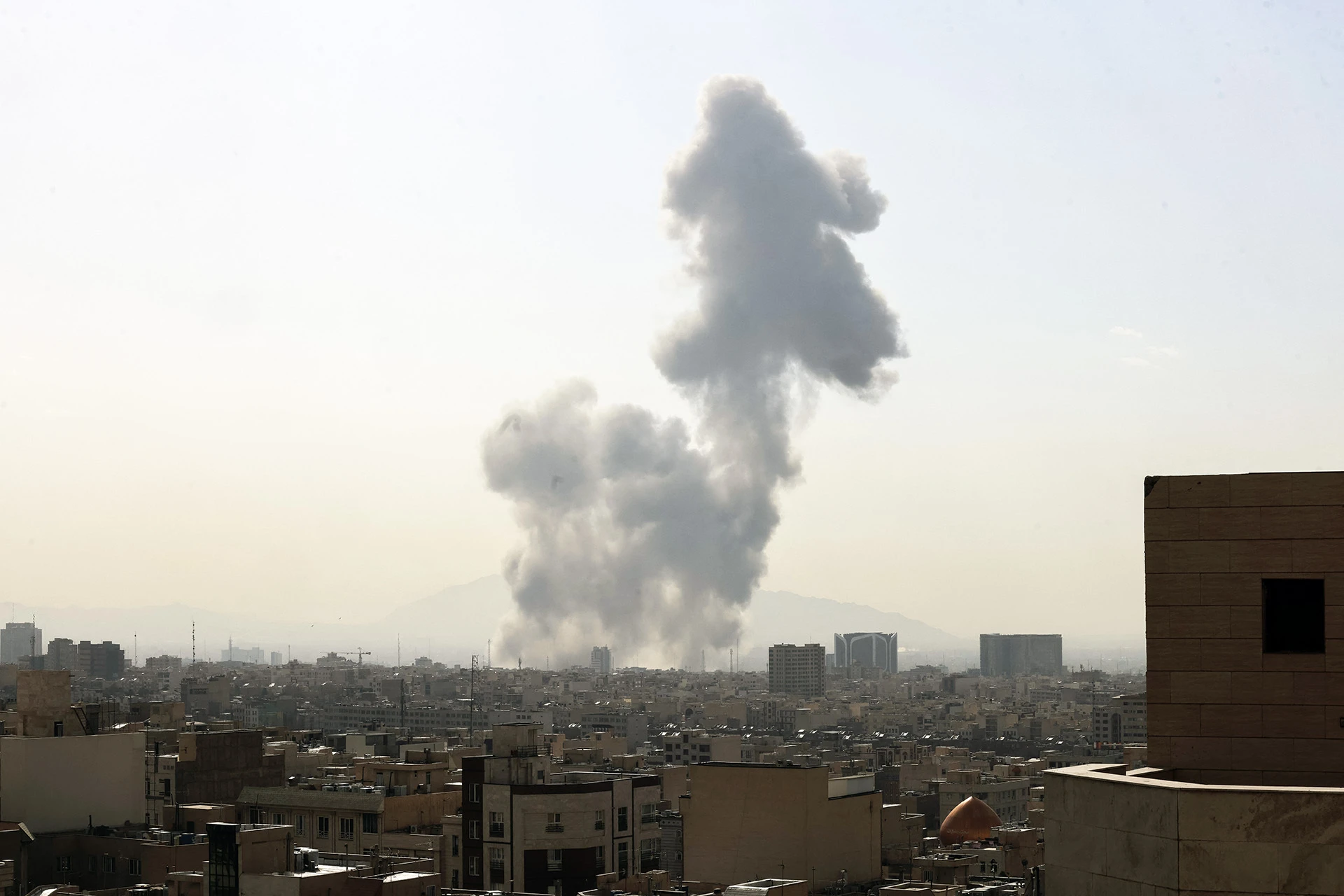
Meanwhile, the joint US-Israeli military operation inside Iran entered its third day on Monday. The campaign reportedly resulted in the assassination of Supreme Leader Ayatollah Ali Khamenei in a precision strike on a high-security compound in Tehran. Several other senior Iranian officials were also killed during what officials described as a large-scale coordinated aerial assault launched over the weekend.
The Israeli military named its offensive Operation Roaring Lion, while the United States called its campaign Operation Epic Fury. The strikes focused on government infrastructure, military facilities, and suspected nuclear sites, with the strategic objective of eliminating Iran’s top leadership.
In retaliation, Iran’s Revolutionary Guard launched counterstrikes targeting Israel, US military installations, and allied nations across West Asia. The attacks reportedly extended to Qatar, Iraq, the UAE, Bahrain, Saudi Arabia, and Jordan, further raising fears of a broader regional war.