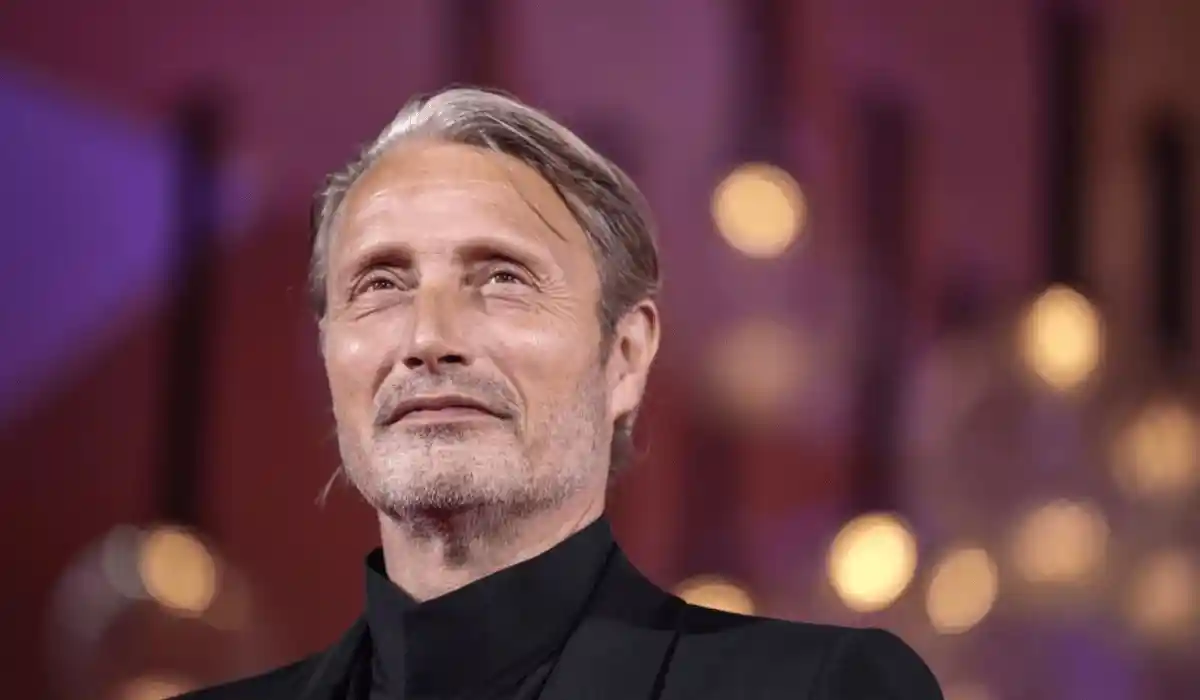
Mads Mikkelsen isn’t holding back about what it was really like making Rogue One: A Star Wars Story. The Danish actor, who played Galen Erso, the brilliant but conflicted scientist behind the Death Star’s devastating superlaser, recently opened up about filming a major franchise blockbuster with a script that was still very much a work in progress.
Galen is crucial to the whole story. He’s Jyn Erso’s father (Felicity Jones plays Jyn), and while he creates the Death Star’s most powerful technology, he also engineers a secret fatal flaw that could bring the entire weapon down. It’s that hidden vulnerability that becomes the key to everything.
Rogue One pulled in over $1 billion at the box office and earned its place as one of the best Star Wars movies ever made. But getting there wasn’t exactly smooth sailing. The production went through extensive changes behind the scenes, with the script constantly evolving even while cameras were rolling.
A Script That Never Stopped Changing
Talking to Variety, Mikkelsen didn’t mince words about the chaotic writing process. “For Star Wars filming, it was surprisingly unfinished in the script,” he said. “It kept changing, and one would think that was already done. I don’t think they ever locked a draft. I think they kept working on it and improvised, and went back and reshot stuff, and then came back with a better idea, which is kind of livable for a character like mine. I had my mission, I knew what it was, but it was obviously tricky for the two young heroes not knowing exactly what they were carrying into a room of baggage. But I think it turned out to be a really nice film.”
For Mikkelsen, the constant rewrites were manageable because Galen’s core mission stayed consistent. He knew his character’s purpose: get those Death Star plans into the hands of the Rebel Alliance, no matter what. But he acknowledged it must have been significantly harder for Felicity Jones and Diego Luna, who played Cassian Andor, the film’s two main heroes. They were navigating a story where the emotional and narrative terrain kept shifting beneath their feet.
The Brutal Death Scene
Then there’s the matter of Galen’s death scene, one of the movie’s most emotional moments where father and daughter finally reunite just as his life slips away. Filming that sequence turned out to be an ordeal. The scene went through multiple versions because of the ongoing story changes, and Mikkelsen had to deliver Galen’s dying words while being absolutely drenched in freezing water.
“That was a brutal, I would say day, but it was days, because there was a lot of changes in the story,” Mikkelsen explained. “We went back and forth, and it was raining. When you do artificial rain, it is almost impossible to do that in a long scene without having ice-cold water. So I was lying there, freezing to death, trying to keep my eyes open while I’m looking at my daughter and doing this little speech to her. That was an uphill battle, let’s put it that way.”
Galen’s Legacy in Star Wars
The impact of Rogue One stretched beyond the film itself. Cassian Andor got his own Disney+ series, with Tony Gilroy (who came in for Rogue One rewrites and reshoots) serving as creator and showrunner. The critically acclaimed show explores Cassian’s journey and the early formation of the Rebel Alliance before the Death Star plans were ever stolen. Mikkelsen doesn’t appear in the spinoff, though Galen gets mentioned.
Galen Erso has become an essential figure in Star Wars canon because of his dual role in both creating and ultimately destroying the Death Star. His backstory gets expanded in James Luceno’s novel Catalyst, which digs deeper into his relationships with his wife Lyra Erso (Valene Kane), the ambitious Director Orson Krennic (Ben Mendelsohn), and the rebel extremist Saw Gerrera (Forest Whitaker).
Since Rogue One, Mikkelsen has kept busy with roles in Another Round (2020), Fantastic Beasts: The Secrets of Dumbledore (2022), Indiana Jones and the Dial of Destiny (2023), Mufasa: The Lion King (2024), and most recently Dust Bunny (2025). But his portrayal of Galen remains one of his most memorable performances, a testament to his ability to deliver powerful work even when the script around him kept changing shape.