
Taronga Zoo Conservation Society (TZCS), an organization based in Australia, is known for saving species that are on the brink of extinction. Now they have set up a very ambitions goal where they plan to convert thousands of acres of cleared farmland back into vibrant wilderness.
TZCS plans to establish a large Box-Gum tree forest across the Nandewar Range. It is a 3050-acre plot of land that provides an opportunity for large-scale habitat restoration.
The aim behind this is to:
1) restore the native vegetation in the area
2) Create a corridor that connects fragmented habitats
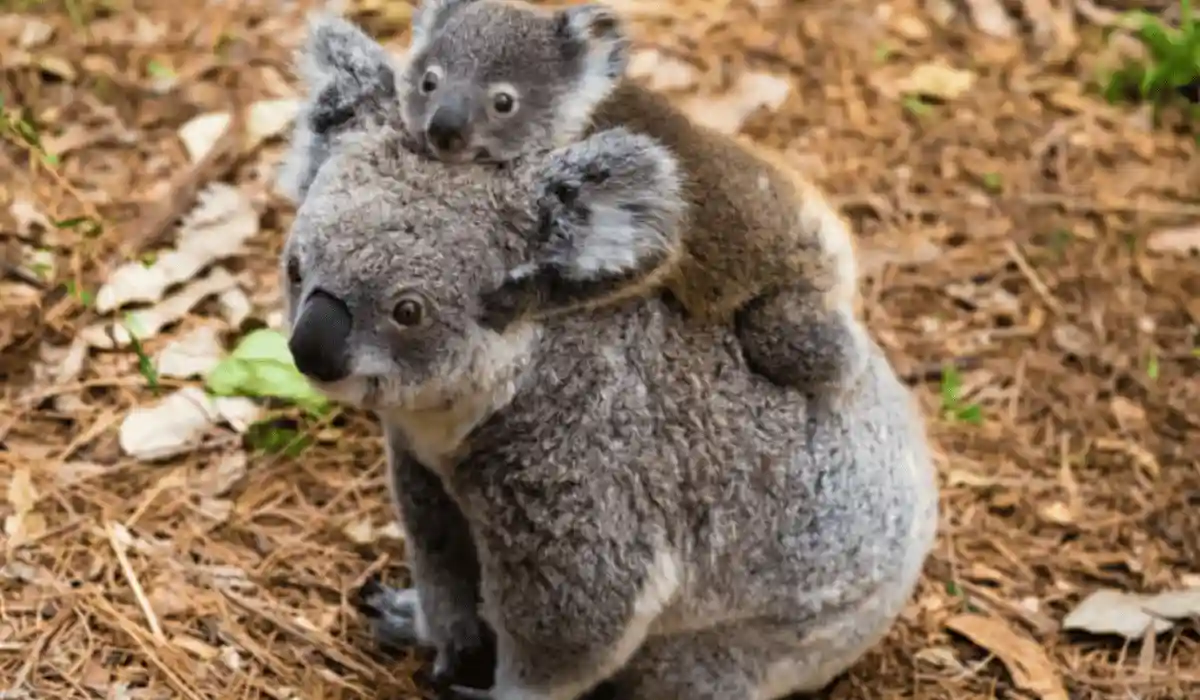
Once the forest ecosystem begins to establish itself, the society plans to reintroduce several iconic and threatened Australian species to their ancestral home. Among the animals being considered for release are platypus, koalas, spotted quolls, and the critically endangered regent honeyeater bird. Each of these species plays an important role in the ecosystem, and their return would mark a significant conservation victory.
The sheer magnitude of the restoration effort is staggering. TZCS is planning to plant one million seeds to restore the native tree cover that once existed here. With this effort, some species are expected to return naturally and relatively quickly as the forest matures.
In an interview with ABC News, Cameron Kerr, CEO, explained why it is important to use science-based approaches. They will have experts for every species and will carefully monitor their movements, breeding success, and overall adaptation to the environment.
“What we are going to do is first of all establish the habitat and get the ecosystem looking after itself so that pest management and weed management will decline over time as the habitat becomes healthy,” Mr Kerr explained. The goal is to create a self-sustaining ecosystem where natural processes can take over the maintenance functions that currently require human intervention.
“At the right time, we will assess what wildlife is coming in from outside and what wildlife we need to reintroduce,” he added, highlighting the adaptive management approach that will guide the project forward. Some species may take a decade or more to reclaim their ancestral territory fully, and patience will be essential to the program’s long-term success.
The Taronga Zoo Conservation Society brings considerable expertise to this ambitious undertaking. According to ABC, the organization has successfully bred, reared, and released an astonishing 60,000 animals through its 16 targeted breeding programs. These animals range from tiny tadpoles to larger mammals like koalas, demonstrating the society’s capability to work across diverse species and life stages.
That said, rewilding entire landscapes represents new territory for the zoo. While TZCS has extensive experience with species conservation and breeding programs, the Nandewar Rangeland project marks only the second time the organization has attempted landscape-level transformation. The first was when it converted 300 acres into the Western Plains Zoo in Dubbo. However, that project served a different primary purpose as a zoo facility rather than a pure wilderness restoration.
One of the significant challenges facing the project is the presence of invasive predatory animals. Program directors are well aware that the landscape isn’t free from threats like foxes and feral pigs, which pose serious dangers to native wildlife, particularly smaller mammals and ground-nesting birds. Managing these invasive species will require ongoing commitment and resources, and feral animal control strategies will need to be woven into every phase of the restoration plan.
With this project, Kerr has made it clear that the nation can no longer rely on its remaining forest landscapes to protect native wildlife. The reality is that they will have to work together in creating a space that is safe and secure for the animals. If they want the unique animals that are found in the contintent to survive.
From the duck-billed platypus to the tree-dwelling koala, from the carnivorous spotted quoll to the melodious regent honeyeater, these species evolved nowhere else on Earth. Their survival depends on humans taking responsibility for undoing decades of habitat clearing and degradation.
This project on the Nandewar Range represents exactly the kind of bold action that Australia needs and if this becomes successful it will serve as a blueprint for other countries.
The journey from cleared farmland to thriving forest ecosystem will be long and challenging, requiring years of sustained effort, careful monitoring, and adaptive management. But for an organization that has already saved seven species from extinction, the Taronga Zoo Conservation Society has proven it’s up to the challenge. Now, with one million seedlings and 3,050 acres of possibility ahead of them, they’re ready to write the next chapter in Australian conservation history.