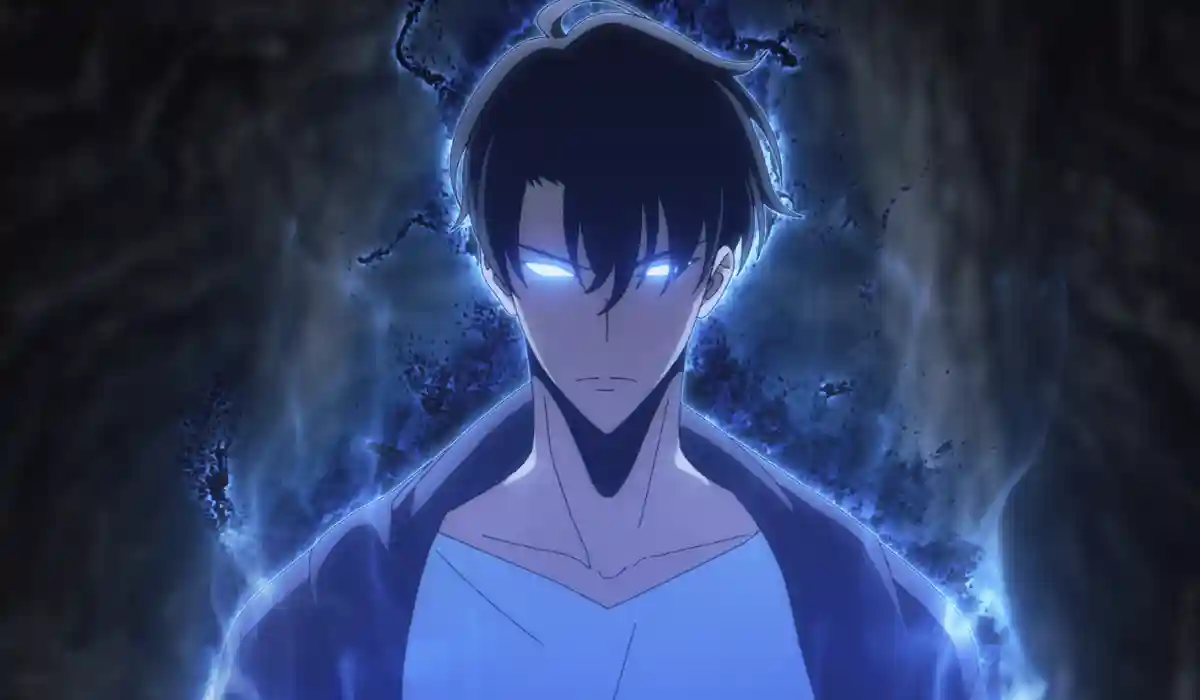
2025 was a massive year for Anime. As streaming charts were packed with familiar titles, theatres were filling up again, and it finally felt like anime series and movies had made their way into the same pop culture lane as superhero franchises.
Anime fans had plenty to celebrate with many shows and movies coming out every few months.
From the outside, it looks all glamorous, but behind the applause and record numbers. People who are actually making these shows were dealing with the same old problems.
In some cases, those problems only got worse. The glow of success did a good job of hiding just how fragile things still are under the surface.
Hollywood is paying Attention
Anime is no longer a niche or regional category; instead, it is global, loud, and impossible to ignore. That reality has pulled major Western studios closer than ever, with big-name directors and production companies lining up to adapt well-known manga properties for film and television shows.
This kind of attention feels validating, especially for longtime fans who remember when anime barely got shelf space overseas.
At the same time, it raises uncomfortable questions about who benefits most from this boom. Big studios and distributors are making money. Franchises are expanding. Meanwhile, the core workforce remains stretched thin.
Great year for fans but rough one for Creators
The year has been great for fans as they enjoyed packed release schedules. But behind the scenes, animators were still struggling to make ends meet.
Industry surveys from Japan provide a hurtful picture with a large portion of workers earning salaries that barely qualify as livable.
Low pay is only the tip of the iceberg; long work hours are still common, and reports of burnout keep emerging.
Some studios have been publicly criticized for pushing staff too hard, but real change has been slow. For many animators, passion is still treated as a substitute for fair compensation.
How Popularity becomes a Problem
With the increasing popularity, modern production studios aim for cinematic polish, fluid motion, and unforgettable action sequences. Studios are chasing perfection because fans now expect it every single time.
The downside is that anything less than stunning gets torn apart online. A single disappointing season can trigger waves of backlash, sometimes aimed directly at the artists themselves.
As expectations rise, production timelines stretch. More detail means more work, and more work requires more people who are not there in sufficient numbers, which is one of the reasons why you see massive gaps between seasons, even for massive franchises.
Bigger Demands with Fewer Hands
Studios are struggling to keep the projects moving and meet the deadline. There is a limited number of skilled animators, and they can only handle so much at once.
This imbalance between demand and workforce has pushed the industry into a corner. Something must change, and not all suggested solutions are popular with fans or creators.
Adoption of AI
The idea of using AI to speed up production keeps floating back into the conversation. But past experiments with background and dubbing were widely criticized by the fans for looking lifeless and awkward.
Still, some executives argue that AI can help ease workloads and keep up with global demand. Others see it as a shortcut that risks stripping anime of the human touch that made it special in the first place. So far, the fear of fan reaction has kept large-scale adoption at bay, but the pressure is not going away.
The Future Is Bright But Not Guaranteed
There is no real danger of anime disappearing. The money involved is too big, and the fans are too devoted. Box office milestones and streaming success make that clear. But survival alone is not the same as growth.
If the industry keeps leaning on overworked creators without fixing the underlying issues, the cost will show up elsewhere—fewer risks. Safer stories. Longer waits. Anime will still exist, but it could lose some of the creativity that made it explode in the first place.
For anime to truly thrive, not just trend, it needs to become a place where new talent wants to stay. That means better pay, better work schedule, and a culture that values the people behind the art as much as the finished product. The world is watching now. What happens next matters more than ever.