A viral podcast moment last month reignited public speculation about extraterrestrial life and prompted President Donald Trump to pledge the release of government files related to flying saucers. However, no documents or clear timeline for their release have yet emerged, highlighting the complexity involved in making such records public.
Trump’s promise followed remarks by former President Barack Obama during a podcast appearance that quickly went viral. When asked about aliens by host Brian Tyler Cohen, Obama said, “They’re real but I haven’t seen them.” After the clip gained widespread attention, Obama clarified that he was referring to the statistical likelihood of life existing elsewhere in the universe.
The renewed curiosity about aliens is part of a long-running fascination with unidentified anomalous phenomena (UAPs), the modern term used for UFOs. In recent years, both believers and skeptics have been drawn to government-released military footage showing unexplained aerial encounters, along with tense congressional hearings featuring individuals who claim to be UAP whistleblowers. Despite the excitement, some experts believe any upcoming document release could mostly contain routine administrative records.
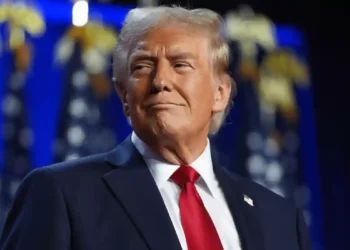
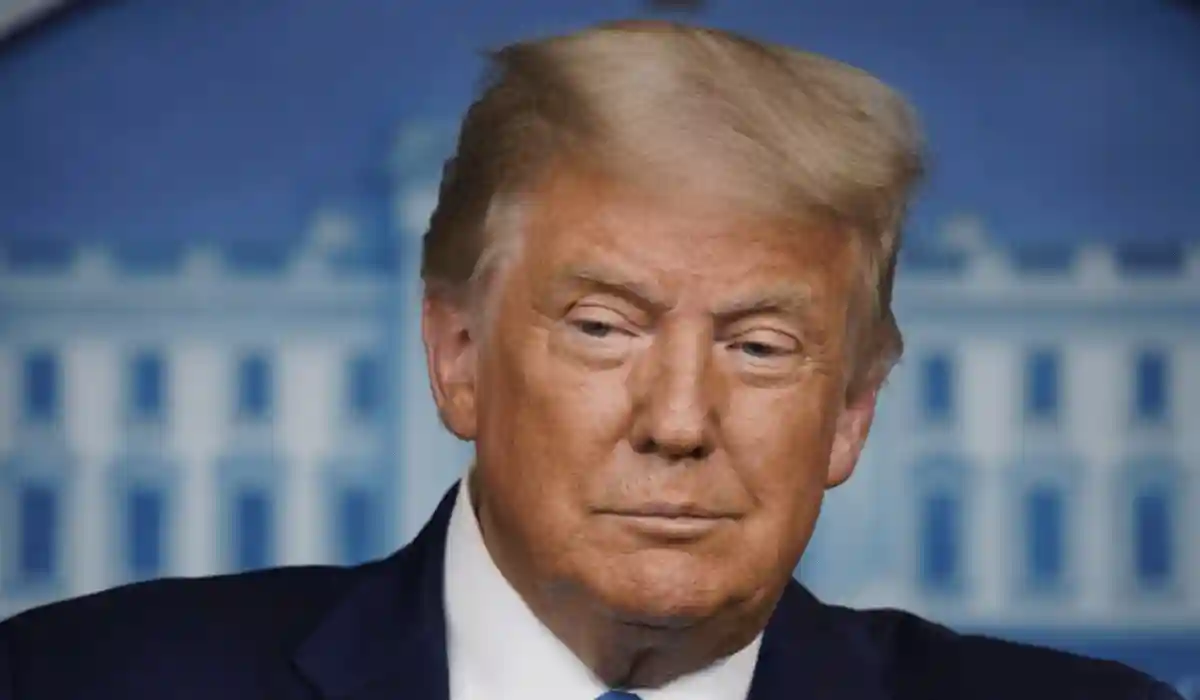
In a social media post, Trump said the decision to release more information was driven by the “tremendous interest” in “extremely interesting and important” extraterrestrial matters following Obama’s comments. He directed the Pentagon and other federal agencies to identify and release relevant records.
The Pentagon’s All-domain Anomaly Resolution Office (AARO), which investigates UAP sightings, said it is already coordinating with other government agencies. A Department of Defense official told CNN that the office is “working in close coordination with the White House and across federal agencies to consolidate existing UAP records collections and facilitate the expeditious release of never-before-seen UAP information.”
Even with the president’s pledge of transparency, the process of turning classified files into public documents can be lengthy and complicated. Layers of bureaucracy and national security reviews could result in a slow release of heavily redacted files—or potentially no release at all.
Extensive review process likely before any files are made public
If the files are eventually released, they would join other major disclosures during Trump’s second term. These include the controversial release of investigative records related to disgraced financier Jeffrey Epstein, as well as materials connected to the disappearance of Amelia Earhart and the assassinations of Martin Luther King Jr. and former President John F. Kennedy.
The Office of the Director of National Intelligence said on social media last month that “Files related to alien and extraterrestrial life, UAPs, and UFOs” will “soon” be declassified. Since making the announcement, Trump has not provided further details on when the documents might be released.
Under Executive Order 13526—issued by Obama—the president has broad authority to classify or declassify documents through established procedures, explained Liza Goitein, senior director of the Brennan Center’s Liberty and National Security Program. Government agencies that hold relevant information must also be consulted before any records are released.
Experts note that UAP-related files are often classified not because of what was observed in the sky, but because the reports reveal sensitive military information, such as technological capabilities, equipment locations or personnel identities. Because of this, the documents often become intertwined with intelligence that could pose national security risks if publicly disclosed.
Trump’s online pledge has already triggered early steps in the process, including a series of interagency meetings about how AARO, the military and other defense departments might release highly classified photos and data linked to UAP reports. Christopher Mellon, former deputy assistant secretary of defense for intelligence, said the process is meticulous.
“Typically, files would have to go to a trained security officer who understands the laws and understands the equities involved, and then they have to review it – there’s a specific process they follow – to review it line by line,” Mellon said. “It would generally be done by the service or agency that produced the information, because they’re the ones who understand why they classified it to begin with, and what issues would be associated with declassifying it.”
Security officers must undergo specialized training before handling such reviews, making them relatively scarce. If the administration pushes for a massive disclosure effort, the system could become overwhelmed.
“I would try to temper expectations a bit. I think it’s going to be a fairly long, and probably a bit of a slow process,” Mellon said. “The challenge is finding a balance and getting as much of that information out as you can without compromising war-fighting capabilities.”
Even with presidential backing, bureaucratic procedures and legal safeguards will ultimately determine whether the files become public.
“It’s really hard to imagine that the interests of national security aren’t going to put up walls about certain kinds of information,” said Greg Eghigian, historian of science and medicine and professor at Penn State University. “It’s hard for me to think that we’re going to see something new.”
Experts say many documents may be mundane
The US government has investigated reports of unidentified aerial phenomena for nearly 80 years. Without details about what the upcoming release might include, the contents remain largely speculative. Still, experts say previous document releases offer clues.
In the 1970s, after what officials described as an “extensive interagency partnership” between the Air Force and the National Archives, the United States released tens of thousands of pages of records from projects that studied UAPs, including Project Blue Book. Thousands more documents were released in later decades before AARO was established to continue investigating sightings.
Like those earlier releases, the new files could include reports from civilians or military personnel describing unexplained objects they observed in the sky, said Eghigian. They may also detail how government agencies investigated those sightings—though many sections would likely be heavily redacted.
Eghigian believes the documents could ultimately disappoint those expecting dramatic revelations. He said the release will probably include many files that people will find “unbelievably boring.”
“It’s going to be a lot of administrative files: Who does what? How much did we spend on paper clips?” he said.
Even witness accounts might not generate much excitement. “Most sightings are not very exciting,” Eghigian said, explaining that many reports simply describe a flashing or floating light that appeared briefly before disappearing.
Still, some scientists hope the files could contain more compelling material. Harvard astrophysicist Avi Loeb said the most valuable discovery would be a high-resolution satellite photo or video of a UAP.
“Those images are usually extremely high resolution,” he said, noting that such images—if they exist—have likely remained classified to protect US technological capabilities. “Obviously they’re classified, but you could immediately tell if the object is something familiar or not, and you can measure its speed.”
Loeb also said he would look for any references to materials recovered from possible UAP crash sites. But above all, he hopes the government is transparent about what it knows.
“My point is that, if you find evidence for a tennis ball that was thrown by a neighbor into your backyard, and you know that you have a neighbor because of that tennis ball, you wouldn’t hide it from your family members at the dinner table,” he said. “Because the same neighbor may show up at the front door.”
While Eghigian said people should “never say never” to the possibility that the government could reveal evidence of alien life, he believes the most realistic outcome would be reports describing sightings that remain unexplained.
Such cases might be “real head scratchers that leave people who do this for a living kind of flummoxed.”
“Whatever happens, it’s not going to be the end of the story,” he said.
Government continues to deny evidence of extraterrestrial life
The Pentagon, through AARO, has repeatedly said it has found no evidence of extraterrestrial activity. Despite whistleblowers claiming that non-human entities may exist during congressional hearings, official investigations have produced no proof. The Air Force, which once led a two-decade study into UFO sightings, has also stated that none of the thousands of reported incidents involved “extraterrestrial vehicles.”
As an institution, the US government has consistently rejected claims of alien visitors. Yet some statements from high-ranking officials have left room for speculation.
When asked about Obama’s comments last month while aboard Air Force One, Trump said, “Well, I don’t know if they’re real or not.” He also suggested that Obama may have revealed classified information during the podcast.
Other presidents have shared their own experiences or views about UFOs. Former President Jimmy Carter once reported seeing what he believed was a UFO while serving as governor of Georgia, even filing a report with the International UFO Bureau. Ronald Reagan also claimed to have witnessed a mysterious white light zigzagging near his aircraft in 1974 before it “went straight up into the heavens.”
Three days after Trump directed the Department of Defense to begin preparing UAP files for release, Defense Secretary Pete Hegseth was asked by reporters whether aliens exist.
“We’ll see,” he said.
“I get to do the review and find out along with you.”