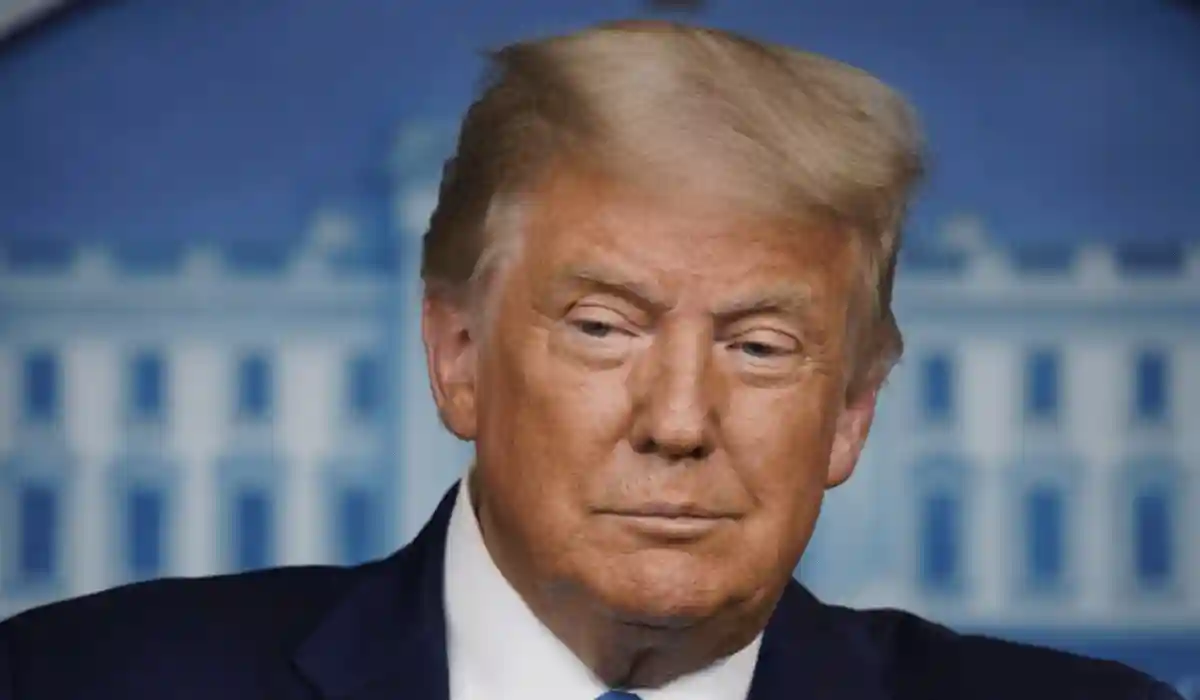
U.S. President Donald Trump has intensified pressure on Iran, declaring that Tehran must surrender its enriched uranium stockpile as a central condition for any potential peace agreement or diplomatic breakthrough. The demand comes amid an ongoing and volatile conflict in the Middle East, where both military escalation and fragile diplomacy are unfolding simultaneously.
A hardline nuclear demand
Speaking to reporters on March 23, Trump made it clear that the United States is not willing to compromise on Iran’s nuclear capabilities. He emphasized that Iran must completely abandon its enriched uranium reserves—sometimes referring to them as “nuclear dust”—to ensure it cannot develop nuclear weapons.
According to Trump, this requirement is essential not just for U.S. national security, but also for regional stability, particularly for allies such as Israel and Gulf nations. The demand reflects a broader U.S. objective: forcing Iran to end all pathways to nuclear weapon development.
Talks amid conflict
Despite the tough rhetoric, Trump has suggested that diplomatic progress may be possible. He described recent discussions with Iran as “very good and productive,” even announcing a temporary pause in planned U.S. strikes on Iranian infrastructure to allow negotiations to continue.
However, the situation remains unclear and contested. Iranian officials have publicly denied that any direct talks are taking place, accusing Washington of spreading misinformation for strategic and political purposes.
This contradiction highlights the fragile and uncertain nature of current diplomacy, where both sides appear far apart on key issues.
Why the uranium stockpile matters
Iran’s enriched uranium stockpile is at the heart of the dispute. Enriched uranium—especially at high purity levels—can be used as fuel for nuclear weapons if further processed.
International watchdogs have previously warned that Iran has accumulated significant quantities of uranium enriched up to 60% purity, which is close to weapons-grade material.
For the U.S., eliminating this stockpile is seen as the most direct way to prevent Iran from rapidly developing a nuclear bomb. For Iran, however, uranium enrichment is tied to national sovereignty and scientific advancement, making it a deeply sensitive issue.
Military pressure and strategic options
Alongside diplomatic efforts, the Trump administration is also exploring more aggressive measures. Reports suggest the U.S. has considered options ranging from targeted strikes on nuclear facilities to even deploying special forces to secure or remove Iran’s uranium stockpile.
Trump has made it clear that if negotiations fail, military action remains on the table. This dual-track strategy—combining diplomacy with the threat of force—has significantly raised tensions in the region.
Global implications
The standoff has far-reaching consequences beyond the U.S. and Iran. The conflict has already disrupted global energy markets, particularly due to instability around the Strait of Hormuz, a critical oil shipping route.
World powers and international organizations are closely monitoring the situation, urging de-escalation while preparing for potential economic and humanitarian fallout.
Uncertain path ahead
While Trump has expressed optimism that a deal could be reached, major obstacles remain. The U.S. insists on zero enrichment and full surrender of nuclear materials, while Iran continues to defend its nuclear program as a sovereign right.
Until both sides find common ground, the demand that Iran give up its enriched uranium stockpile is likely to remain one of the most contentious and decisive issues shaping the future of the conflict.