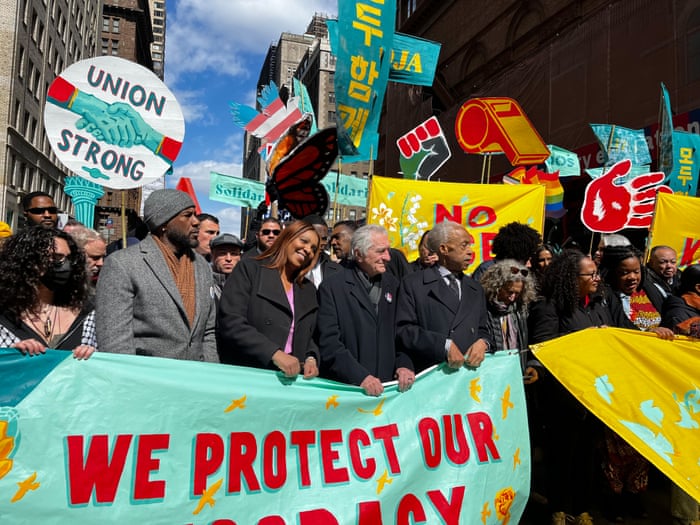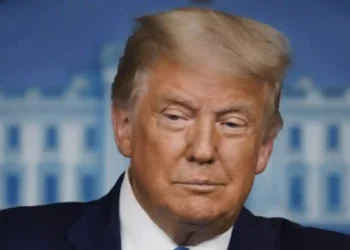
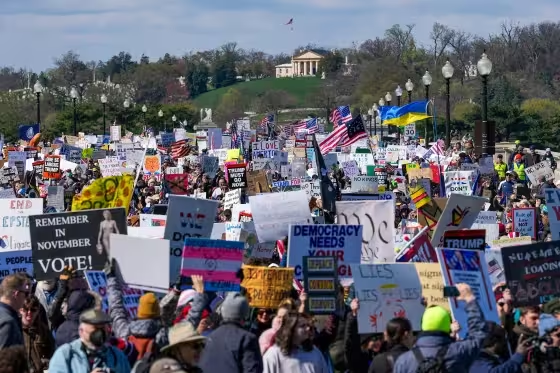
Thousands took part in nationwide ‘No Kings’ protests opposing policies linked to former President Donald Trump, with rallies across major cities marking one of the largest waves of political dissent in recent years.
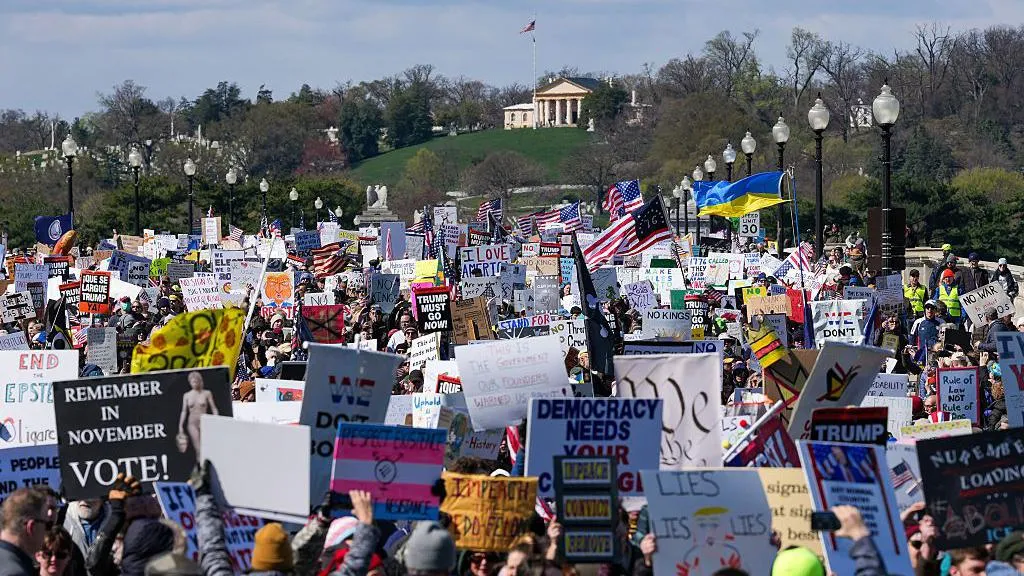
What is the ‘No Kings’ protest?
The ‘No Kings’ protest is a nationwide movement opposing what demonstrators describe as authoritarian tendencies in US leadership. Organized across hundreds of cities, the protests emphasize democratic values and reject the idea of concentrated, unchecked power. The name ‘No Kings’ reflects a symbolic stance against rule by any single dominant figure. Protesters gathered in large numbers to raise concerns about governance, civil liberties, and political accountability.
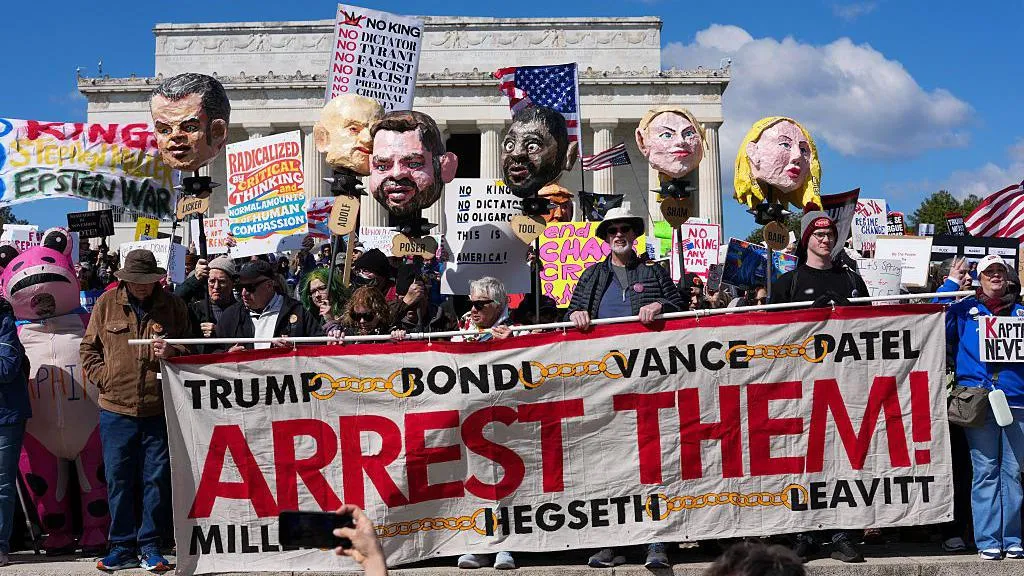
Millions take to the streets nationwide
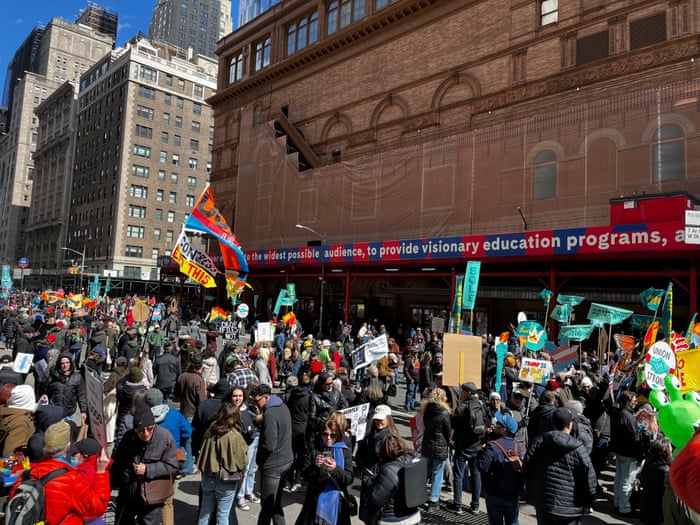
From New York to Los Angeles, millions of people joined coordinated demonstrations, making it one of the largest protest movements in recent US history. Major city streets were packed with crowds holding signs, chanting slogans, and participating in peaceful marches. Organizers reported participation across all 50 states, underscoring the scale and nationwide reach of the movement. The turnout reflected strong public engagement and concern over the political climate.
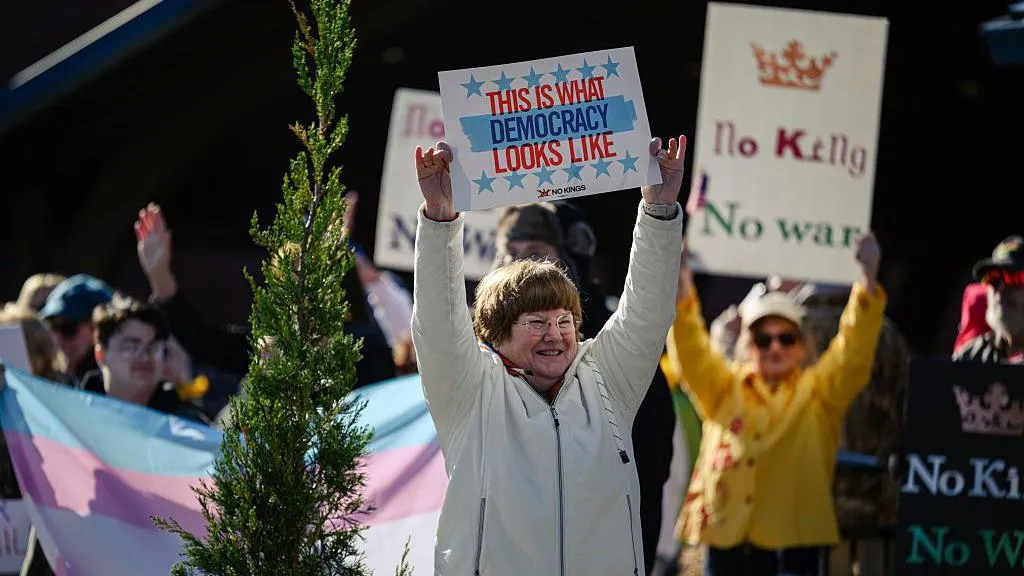
A coast-to-coast day of action
The protests were carefully organized, with rallies, marches, and public gatherings taking place throughout the day. While major metropolitan areas saw particularly large crowds, smaller cities also reported strong participation. Events featured speeches, performances, and coordinated marches. The synchronized nature of the demonstrations amplified their message, creating a unified voice across regions. Many participants described the day as a powerful display of collective civic expression.
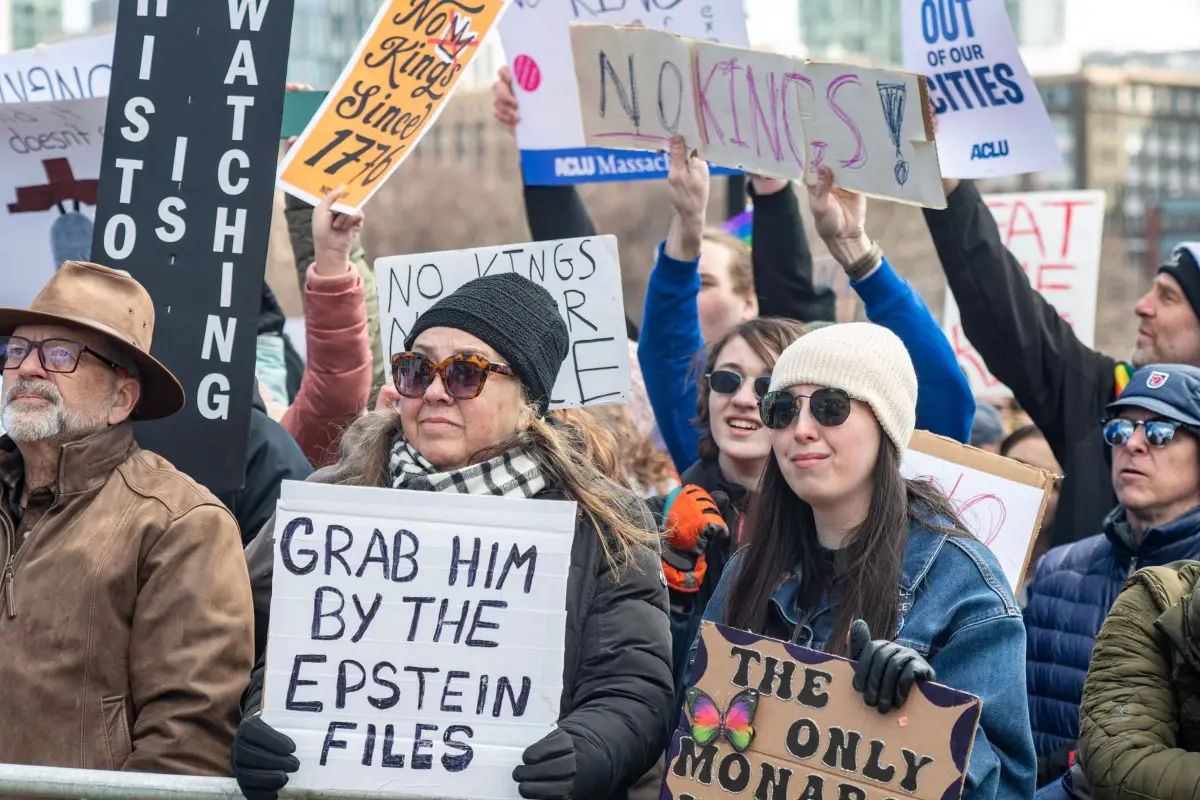
At the core of the protests was a shared message: opposition to what demonstrators view as authoritarian governance. Participants raised concerns about the erosion of democratic norms and the concentration of political power. Signs reading ‘No Kings’ symbolized resistance to leadership styles perceived as undemocratic. The message resonated across diverse groups, uniting people around the idea of protecting democratic institutions and accountability.
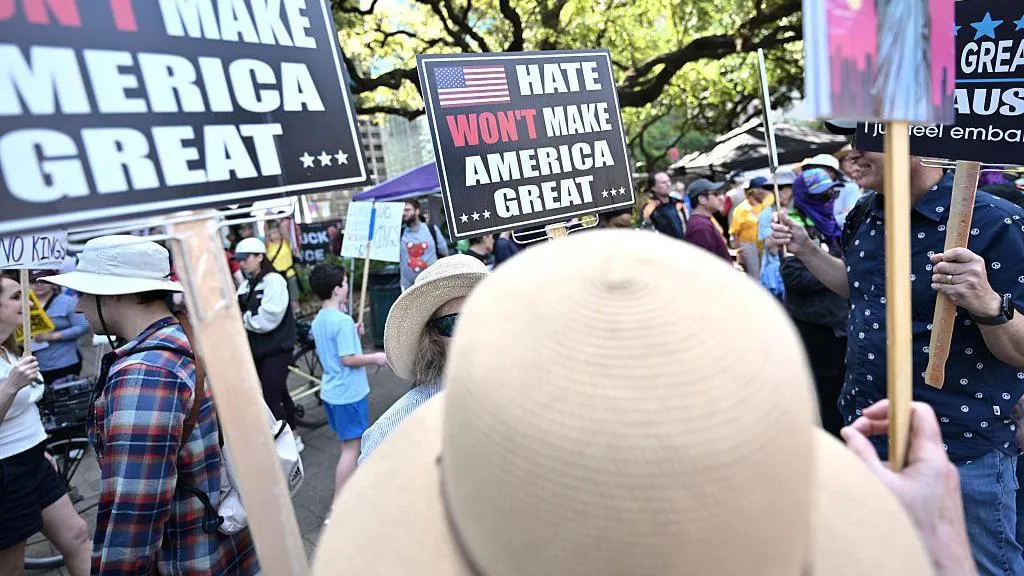
Despite the massive turnout, many demonstrations remained peaceful, with organizers emphasizing nonviolent action. Protesters marched, chanted, and displayed signs while engaging in civic expression. Law enforcement presence varied by city, but reports widely indicated orderly gatherings. The peaceful conduct of the protests reinforced their message, as participants sought to highlight concerns through nonviolent means.
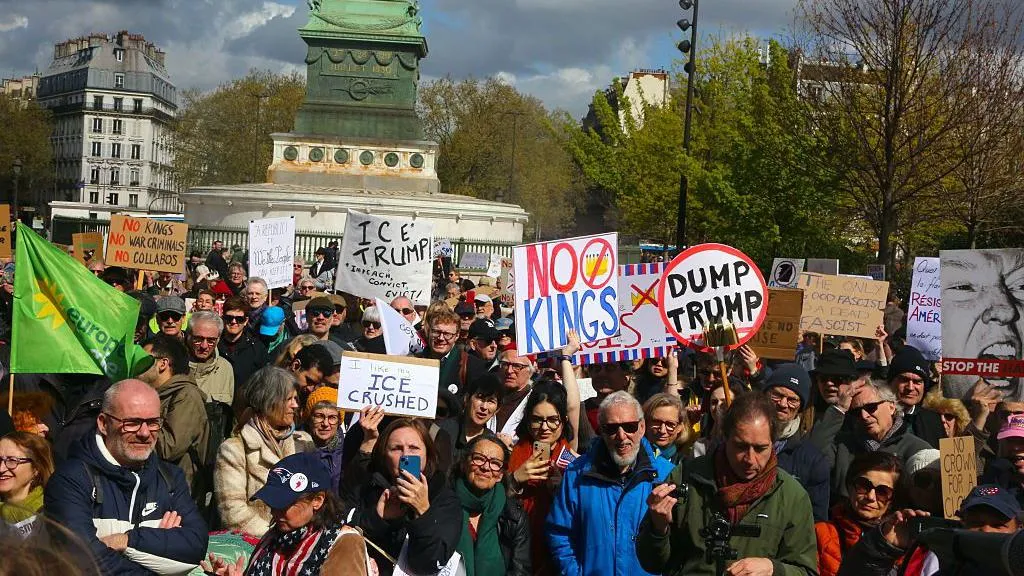
The ‘No Kings’ protests could mark a defining moment in the political landscape of 2026. With millions participating across the country, the demonstrations signal significant public mobilization and engagement. Observers suggest that the scale and coordination of the protests may have lasting effects on public discourse and future activism. The movement reflects a broader surge in civic participation, with citizens actively shaping the national conversation.
New York City stood out as one of the central hubs of the ‘No Kings’ protests, with large crowds gathering in key locations, including Times Square. Demonstrators filled the streets with chants, signs, and organized marches, reflecting the scale of the broader national movement. The visibility and size of the protests in New York highlighted its continued role as a focal point for political activism, as thousands joined others across the country to demand accountability.