Denmark reportedly took extraordinary steps in January to prepare for a potential military confrontation with the United States, including sending blood supplies to Greenland and positioning explosives to disable key runways if conflict broke out. The preparations followed rising tensions after Donald Trump threatened to seize control of Greenland “the hard way,” prompting Danish authorities to quietly begin contingency planning, according to Danish public broadcaster DR.
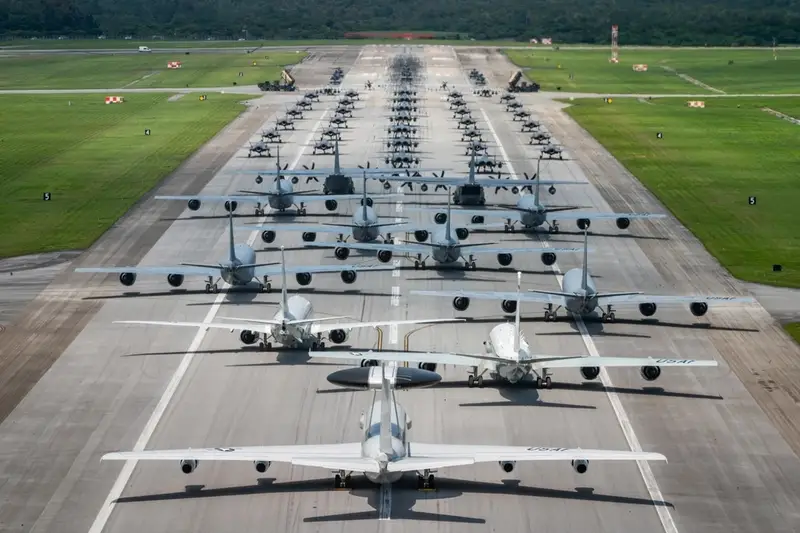
As part of these defensive measures, Danish troops deployed to Greenland were equipped with explosives intended to destroy critical airstrips in Nuuk and Kangerlussuaq — a remote town north of the capital — to block any potential US aircraft landings. Alongside this, authorities transported blood reserves from Denmark to ensure medical readiness in the event of casualties, based on information from multiple government and intelligence sources.
At the same time, Copenhagen quietly ramped up diplomatic efforts, reaching out to European allies through a series of confidential discussions that began soon after the 2024 US election. Sources suggest that the US attack on Venezuela on 3 January marked a major turning point, intensifying fears across Europe. Trump’s renewed push to take Greenland — stating the US needed it “very badly” — further heightened alarm within Denmark.
What does the US attack mean?
The following day, Prime Minister Mette Frederiksen warned that any US assault on a NATO member would effectively signal the collapse of both the alliance and the global security framework established after World War II. According to DR, plans to deploy Danish and European forces to Greenland had already been in place but were significantly accelerated as tensions escalated.
An unnamed senior French official noted that the crisis had unexpectedly strengthened European unity. “With the Greenland crisis, Europe realised once and for all that we need to be able to take care of our own security,” the source said.
While Denmark sought to avoid provoking Washington, it also made clear it would not stand idle in the face of a possible threat. A multinational advance unit — including Danish, French, German, Norwegian, and Swedish troops — was sent to Greenland, followed by a larger deployment featuring elite forces. Danish fighter jets and a French naval vessel were also moved into the North Atlantic as part of the heightened military posture.
SOURCES