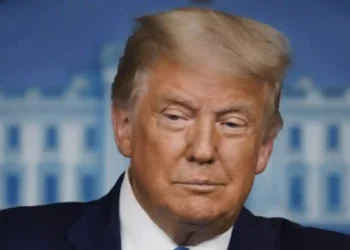
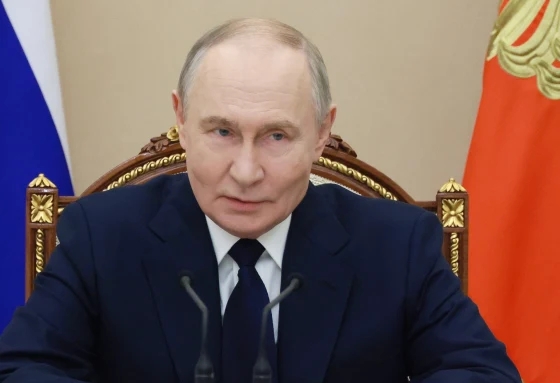
Russia could become one of the biggest beneficiaries of the ongoing Iran war during Donald Trump’s presidency, as surging oil prices and shifting sanctions policies reshape the global energy market. For much of the past year, since Trump returned to the White House, Washington has worked to weaken Russia’s energy trade, arguing that oil revenues were helping finance Moscow’s war effort. The US imposed sanctions on two of Russia’s largest oil companies and introduced steep tariffs on Indian exports in an effort to pressure New Delhi and Beijing — two of Russia’s most important energy customers.
For a time, the approach seemed effective. Russia’s energy revenues had been under pressure due to Western sanctions, high interest rates, and labour shortages. In January, the country’s oil and gas income fell to its lowest level since 2020, dealing a significant blow to government finances.
However, the intensifying conflict involving Iran has dramatically altered the outlook.
Middle East conflict reshapes energy markets
US and Israeli strikes on Iran have disrupted exports from one of the world’s most crucial oil-producing regions, sending global crude prices sharply higher. The spike has unexpectedly strengthened Russia’s standing in the global market.
Last week, the US granted Indian refiners a 30-day waiver allowing them to buy Russian oil that had been stranded at sea. US Treasury Secretary Scott Bessent said the waiver was intended to keep oil flowing into global markets during the crisis.
He also indicated that Washington could ease certain Ukraine-related sanctions on Russian oil if necessary to stabilise global supply.
Such a move could allow Russian crude to fetch higher prices. Until recently, Moscow had been forced to sell its oil at discounted rates due to Western restrictions. But as global supplies tighten, major buyers like India and China may increasingly turn to Russian shipments, potentially with tacit approval from Washington.
Kremlin moves to capitalise
Russian officials have been quick to underline their country’s role as a dependable energy supplier.
“Russia was and continues to be a reliable supplier of both oil and gas,” Kremlin spokesperson Dmitry Peskov said, adding that global demand for Russian energy products was rising.
At the same time, Moscow is trying to position itself diplomatically amid the escalating crisis. Following a phone call with Trump, Russian President Vladimir Putin proposed ideas for a “quick political and diplomatic settlement” to the conflict, according to his foreign affairs adviser Yuri Ushakov.