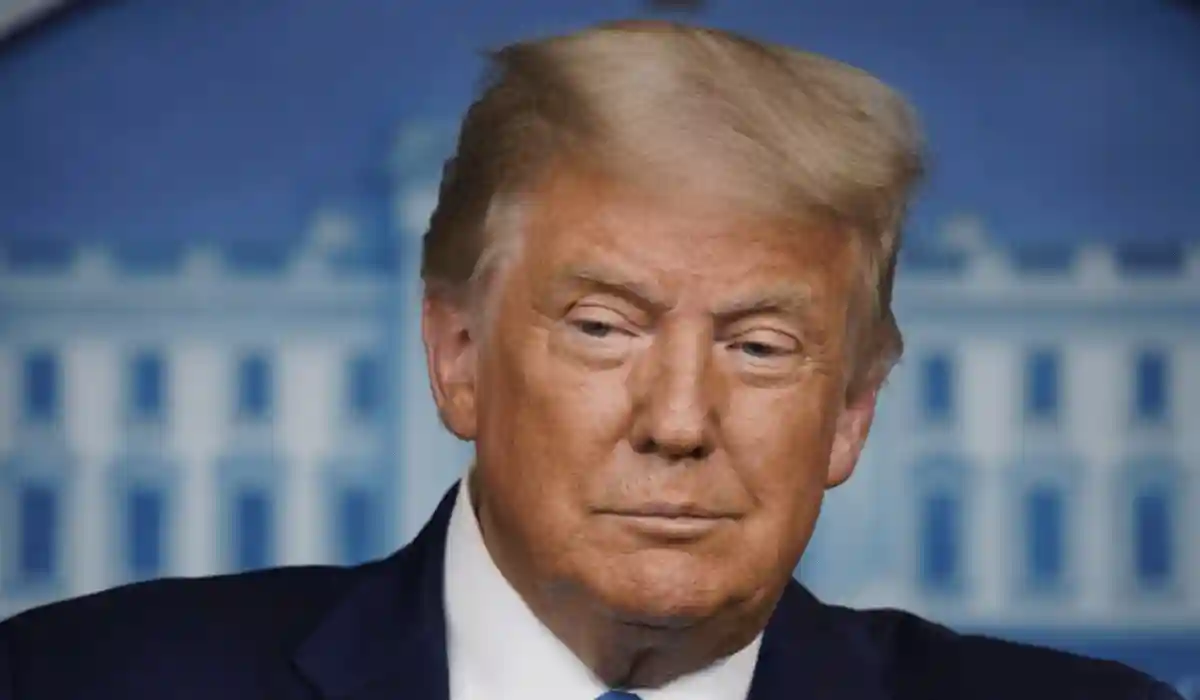
US President Donald Trump on Monday (March 16) indicated that a group of countries may soon join efforts to reopen shipping lanes through the Strait of Hormuz, one of the world’s most important oil transit routes. He said US Secretary of State Marco Rubio would soon reveal which nations plan to support US military operations aimed at securing the strategic waterway.
Trump told reporters at the White House that he had discussed the issue with French President Emmanuel Macron and described Macron’s response as supportive, though not fully committed.
“I think he’s going to help,” Trump said, adding that Macron’s reaction was “an eight, not perfect.” He also expressed confidence that Britain would likely participate in a mission focused on securing the Strait of Hormuz.
The remarks are widely viewed as part of Washington’s effort to encourage European allies—particularly the United Kingdom and France—to join a coalition protecting shipping routes in the region.
However, earlier on Monday, UK Prime Minister Keir Starmer signalled that Britain would avoid direct involvement in the conflict with Iran. Instead, he emphasised defensive measures aimed at protecting British interests and those of its allies.
“The United Kingdom will not be drawn into a wider war. Our priority is always the national interest… While taking the necessary action to defend ourselves and our allies, we will not be drawn into the wider war,” Starmer said during a press conference.
Trump also claimed that Iran is seeking a deal to end the ongoing conflict, though he said it remains unclear who currently represents the country’s leadership.
“We don’t know their leaders,” Trump said.
He later commented on reports surrounding Mojtaba Khamenei, Iran’s new supreme leader, saying he had heard claims from advisers and media outlets suggesting the leader may have been seriously injured during recent attacks.
“A lot of people are saying that he’s badly disfigured. They’re saying that he lost his leg — one leg — and he’s, you know, been hurt very badly. Other people are saying he’s dead. Nobody’s saying he’s 100 per cent healthy. You know he hasn’t spoken.”
Trump’s comments come amid growing domestic and international pressure tied to the global energy crisis and a sharp rise in oil prices. The spike in prices has been triggered by Iran’s effective blockade of the Strait of Hormuz, a passage that handles nearly 20 percent of the world’s oil shipments.
The conflict began after joint US-Israeli strikes on February 28 and has now entered its 17th day, with neither side showing signs of backing down. On the first day of the operation, US-Israeli forces targeted senior leadership of the Islamic Republic in Tehran, killing Supreme Leader Ali Khamenei in a strike on a high-security compound.
In response, Iran launched a series of missile and drone attacks targeting strategic sites, including US military bases in Gulf countries as well as major energy and financial hubs in the region. Tehran also moved to shut down the Strait of Hormuz, aiming to pressure Washington by disrupting a critical artery of global energy supply.